How to Optimize for Google’s Multisearch Feature and AI-Driven Search Results
Table of Contents
- Introduction
- Understanding Google’s Multisearch Feature
- What is Google’s Multisearch Feature?
- How Does Google’s Multisearch Feature Work?
- Optimizing for AI-Driven Search Results
- What is AI-Driven Search?
- Importance of Optimizing for AI-Driven Search
- Strategies for Optimizing for AI-Driven Search
- Content Strategy
- Technical SEO
- User Experience
- How to Optimize for Google’s Multisearch Feature
- Enhancing Your Website’s Structure and Metadata
- Optimizing Content for Multisearch Queries
- Leveraging Schema Markup for Enhanced Visibility
- Focusing on Local SEO Factors
- Providing Comprehensive and Authoritative Information
- Improving Mobile Responsiveness
- Optimizing Page Speed
- Conclusion
Introduction
Are you looking to boost your website’s visibility on Google? With the rise of AI-driven search algorithms and features like Google’s Multisearch, it’s becoming increasingly important for website owners to optimize their content in new and effective ways. In this comprehensive guide, we will explore how to optimize for Google’s Multisearch feature and AI-driven search results, uncovering strategies to improve your website’s ranking and visibility. Let’s dive in!
Understanding Google’s Multisearch Feature
What is Google’s Multisearch Feature?
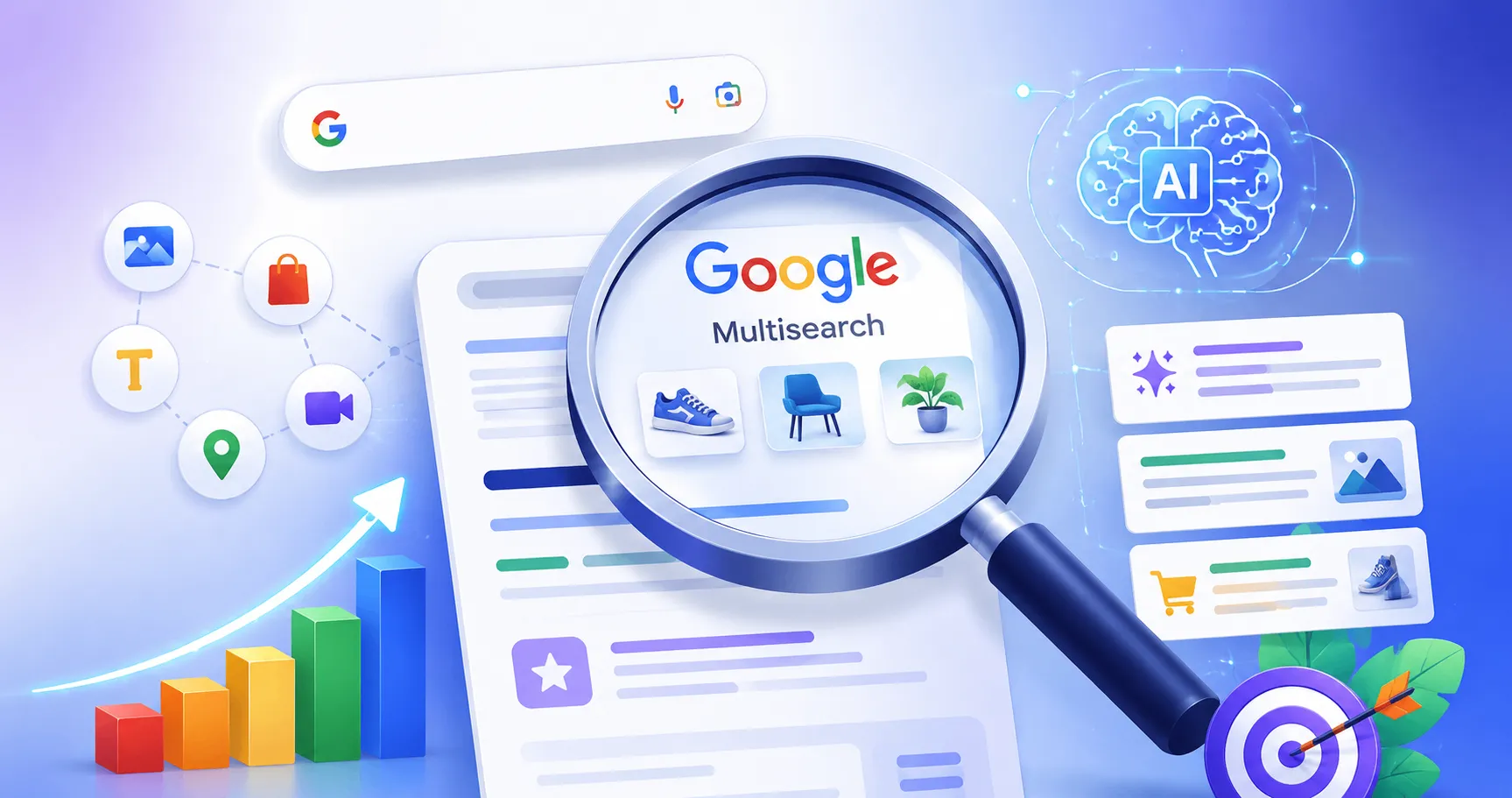
Google’s Multisearch is a feature that aims to provide users with more diverse and comprehensive search results by combining information from various domains and sources. It allows users to get the most relevant and reliable results by pulling together different formats such as text, images, videos, news articles, and more. This feature enhances the user experience and ensures that users find the information they need quickly and easily.
How Does Google’s Multisearch Feature Work?
Google’s Multisearch feature relies on artificial intelligence algorithms to analyze and contextualize search queries. It evaluates various factors such as user intent, search history, and the relevance and quality of content across the web. By understanding the context of a search query, Multisearch fetches and presents a variety of multimedia results to provide users with a comprehensive and rich search experience.
Optimizing for AI-Driven Search Results
What is AI-Driven Search?
AI-driven search refers to search algorithms and features powered by artificial intelligence technology. These algorithms are designed to interpret user intent, understand context, and provide more accurate and relevant search results. AI-driven search aims to deliver a personalized and seamless search experience, matching users with the most helpful content based on their query and preferences.
Importance of Optimizing for AI-Driven Search
As AI-driven search becomes more prevalent, optimizing your website for this type of search is crucial for staying competitive in the digital landscape. By understanding and catering to the factors AI algorithms consider in search rankings, you can ensure that your content is prominently displayed to the right audience, driving more organic traffic to your website.
Strategies for Optimizing for AI-Driven Search
To optimize your website for AI-driven search, consider implementing the following strategies:
- Content Strategy: Create high-quality, informative, and engaging content that aligns with the specific needs and interests of your target audience. Aim for long-form content that thoroughly answers user queries and provides valuable insights.
- Technical SEO: Ensure your website is structured in a way that is easily crawlable by search engine bots. Use proper headers, meta tags, and structured data to help search engines understand and index your content effectively.
- User Experience: Focus on delivering a seamless and user-friendly experience on your website. Optimize page loading speed, enhance mobile responsiveness, and prioritize usability and accessibility.
How to Optimize for Google’s Multisearch Feature
Now that we have a solid understanding of Google’s Multisearch feature and the importance of optimizing for AI-driven search, let’s explore actionable strategies to optimize your website specifically for Google’s Multisearch. Incorporating the following techniques will increase your chances of appearing in the multifaceted search results that Google offers.
1. Enhancing Your Website’s Structure and Metadata
A well-structured website with clear navigation allows Google’s algorithms to easily understand the layout and organization of your content. Utilize proper header tags (H1, H2, etc.) to indicate the hierarchy of your content and help search engines comprehend the context of each section. Additionally, optimize your metadata, including titles and descriptions, to accurately represent the content of each page.
2. Optimizing Content for Multisearch Queries
Create content that can answer a wide range of search queries related to your industry or niche. This can be achieved by including relevant keywords, answering frequently asked questions, and covering various aspects of your topic in-depth. By providing comprehensive and helpful information, you increase the chances of appearing in Google’s Multisearch results.
3. Leveraging Schema Markup for Enhanced Visibility
Implement schema markup on your website to provide explicit information about your content to search engines. Schema markup enhances the visibility of your content in search results by enabling rich snippets, knowledge graph panels, and other visually appealing elements. It also helps search engines understand the context and structure of your content better.
4. Focusing on Local SEO Factors
If your website serves a specific geographic location, optimize your content for local searches. This includes creating location-specific landing pages, incorporating local keywords, and ensuring your business information (name, address, phone number) is consistent and accurate across different platforms. By focusing on local SEO, you increase the likelihood of appearing in Multisearch results for users in your target area.
5. Providing Comprehensive and Authoritative Information
When creating content, strive to be comprehensive, covering various subtopics, aspects, or angles related to your main topic. Additionally, ensure your content is well-researched, accurate, and backed by authoritative sources. This contributes to your website’s credibility and increases the likelihood of appearing in Multisearch results as Google prioritizes high-quality and trustworthy content.
6. Improving Mobile Responsiveness
Given the increasing number of searches conducted on mobile devices, it is vital to optimize your website for mobile users. Ensure your website design is responsive and user-friendly across different screen sizes. Optimizing for mobile enhances the user experience and increases your chances of appearing in Multisearch results, as Google considers mobile-friendliness as a ranking factor.
7. Optimizing Page Speed
Page speed plays a critical role in user satisfaction and search engine rankings. Optimize your website’s loading speed by compressing images, minifying code, and utilizing caching techniques. A speedy website improves user experience and increases the likelihood of appearing in Multisearch results.
Conclusion
Optimizing for Google’s Multisearch feature and AI-driven search results is a strategic approach to improve your website’s visibility and attract targeted organic traffic. By understanding how Multisearch works and implementing the suggested strategies, you can enhance your website’s structure, content, and technical elements. Remember, continuously monitoring and adapting your optimization efforts based on evolving search algorithms and user behavior is essential to stay ahead in the digital landscape.



0 thoughts on “How to Optimize for Google’s Multisearch Feature and AI-Driven Search Results”